
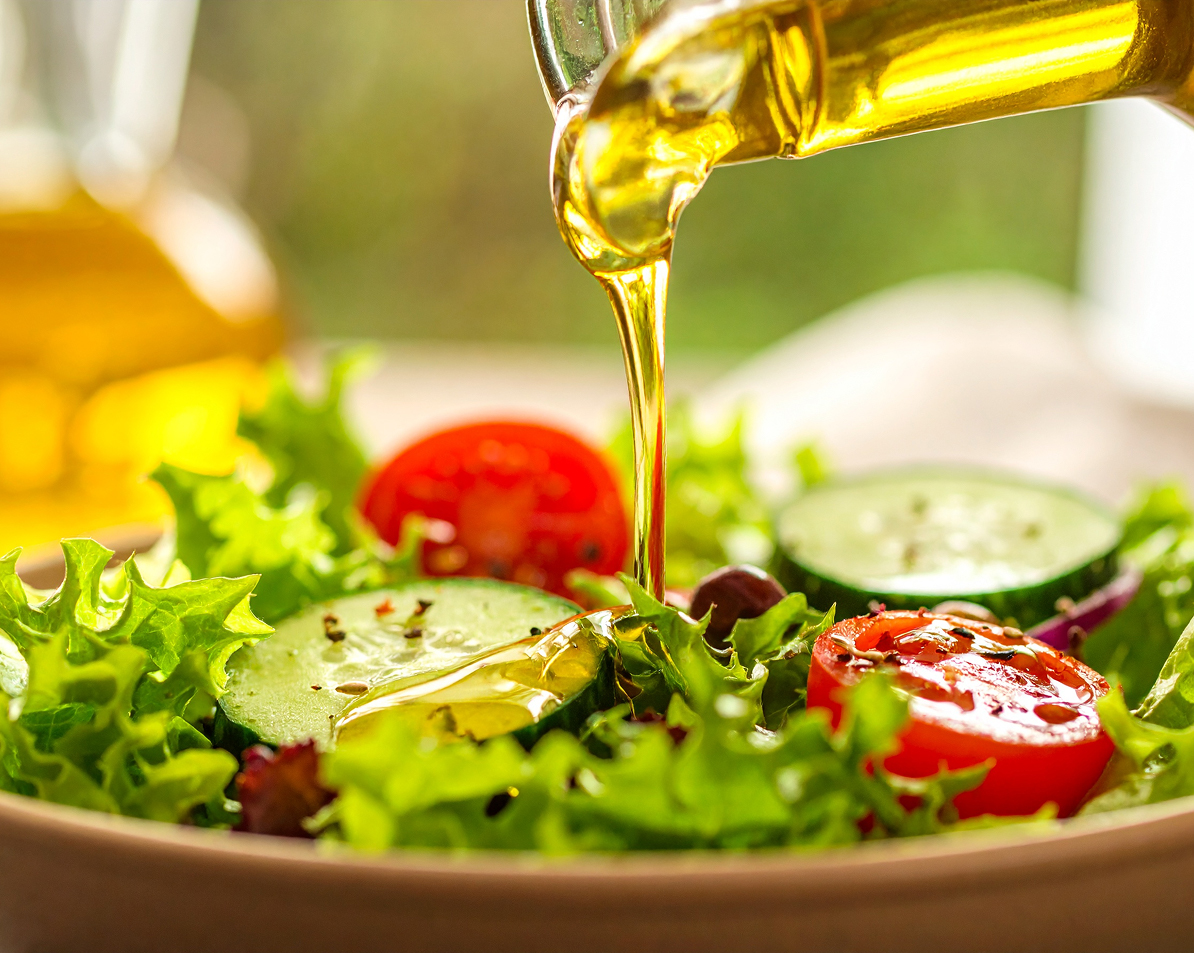

Tunisia is one of the world’s top producers of high-quality olive oil, renowned for its rich flavor, nutritional value, and sustainable production methods. Olive oil is deeply rooted in Tunisian culture, cuisine, and economy, making it a vital export product and a symbol of national heritage.
The History and Tradition of Olive Oil in Tunisia
Tunisian olive oil production dates back thousands of years, with olive trees cultivated across the country from the Mediterranean coast to the southern oases. Traditional harvesting techniques, passed down through generations, ensure that olives are carefully picked to preserve their quality. Today, Tunisia combines this ancient expertise with modern technology to produce some of the finest extra virgin olive oils in the world.
Types of Olive Oil Produced in Tunisia
- Extra Virgin Olive Oil (EVOO): Known for its superior taste and low acidity, Tunisia’s EVOO is ideal for salads, cooking, and gourmet recipes.
- Organic Olive Oil: Produced without chemical fertilizers or pesticides, meeting the growing global demand for healthy and sustainable products.
- Flavored Olive Oils: Infused with herbs, chili, or lemon, these oils enhance culinary dishes while maintaining premium quality.
Tunisia’s Olive Oil Industry and Economic Impact
Olive oil is a pillar of Tunisia’s economy, contributing billions of dinars annually through exports. The 2024-2025 harvest reached a record 340,000 tons, a 55% increase from the previous year, positioning Tunisia as a top supplier to Europe, North America, and Asia. International certifications for quality, safety, and sustainability have strengthened Tunisia’s reputation as a reliable producer of premium olive oil.
Challenges and Opportunities in the Market
While Tunisia faces challenges such as climate change, water scarcity, and market competition, the sector has significant opportunities for growth. Investments in modern processing facilities, organic farming, and branding strategies are helping Tunisian olive oil compete globally and attract premium buyers.
Health Benefits of Tunisian Olive Oil
Tunisian olive oil is rich in antioxidants, monounsaturated fats, and vitamins, making it a healthy choice for cooking and daily consumption. Studies have shown that regular olive oil consumption can support heart health, reduce inflammation, and improve overall well-being.
Conclusion: Tunisia’s Olive Oil as a Global Treasure
Tunisia continues to combine tradition, innovation, and quality in olive oil production. With a rich history, sustainable practices, and growing international demand, Tunisian olive oil remains a global treasure, promoting healthy lifestyles and economic growth.